
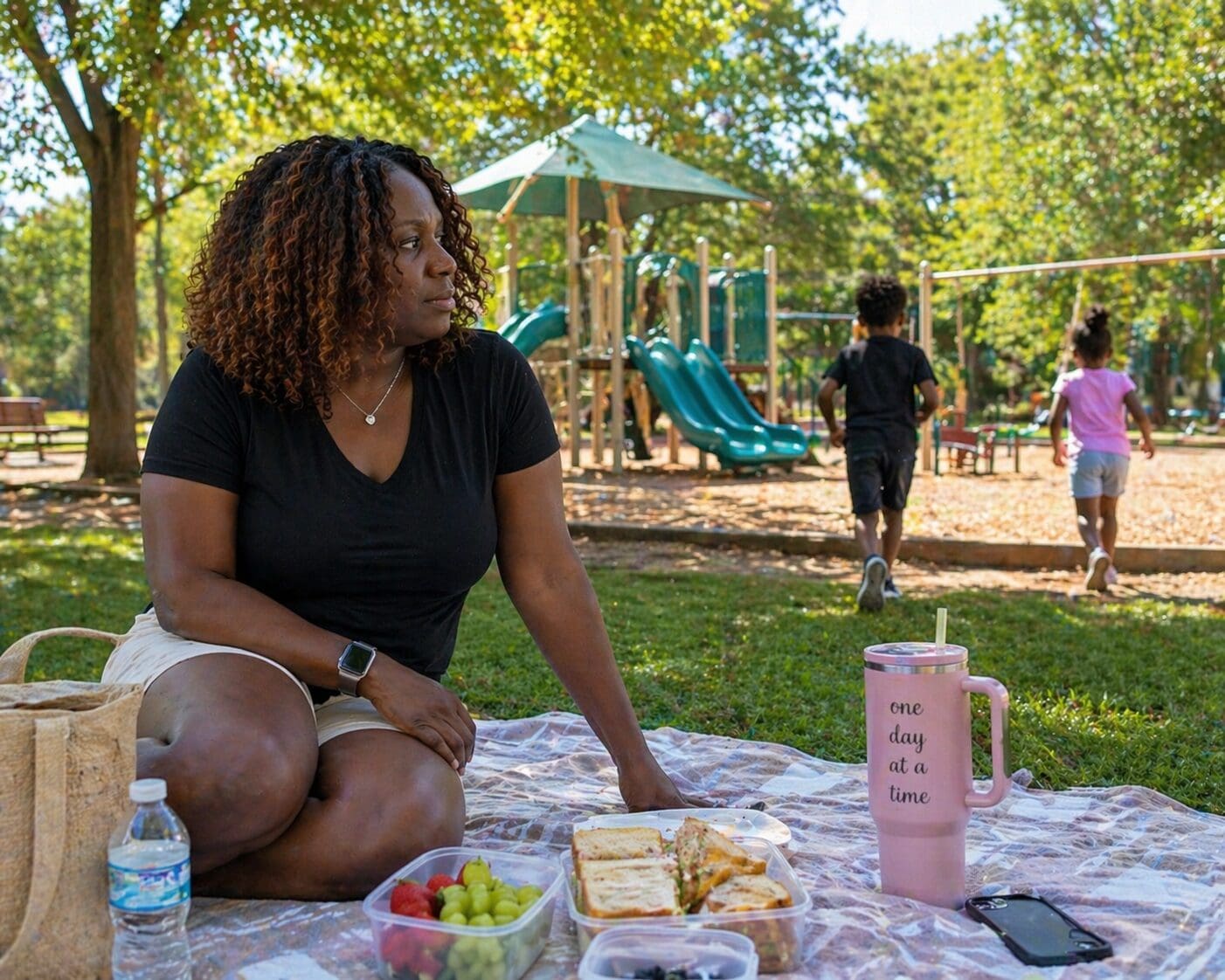
Outdoor Play Isn’t Extra. It’s Necessary
As the weather starts to warm up, more time naturally shifts outdoors, and for many families, that feels like a break from routine. The days feel looser, schedules adjust, and it can seem like children just need space to be outside and enjoy the change in pace. That shift makes sense, but it can also lead to outdoor time being treated as something separate from structure instead of part of it.
For young children, outdoor time plays a direct role in how they regulate, move, and interact throughout the day. It gives them the space to release energy in ways that indoor environments often cannot support, and that movement impacts how they settle, how they focus, and how they transition between activities. What happens outside carries into everything that happens after.
There is also a difference between children simply being outside and being guided while they are outside. Unstructured time may feel easier in the moment, but it does not always create consistency. Without some level of direction, children may move from one activity to another without clear expectations, which can lead to frustration or difficulty transitioning back into more structured parts of the day.
An intentional approach to outdoor time creates a different experience. It introduces routine, expectations, and a sense of flow, even in an open environment. Children begin to understand what to expect, how to engage, and how to move through the day without constant adjustment. That consistency becomes especially important during the summer when the structure of the school year is no longer in place.
As you think about your child’s summer, it helps to consider not just how much time they will spend outside, but how that time is being used and whether it supports a steady, predictable rhythm throughout their day.